
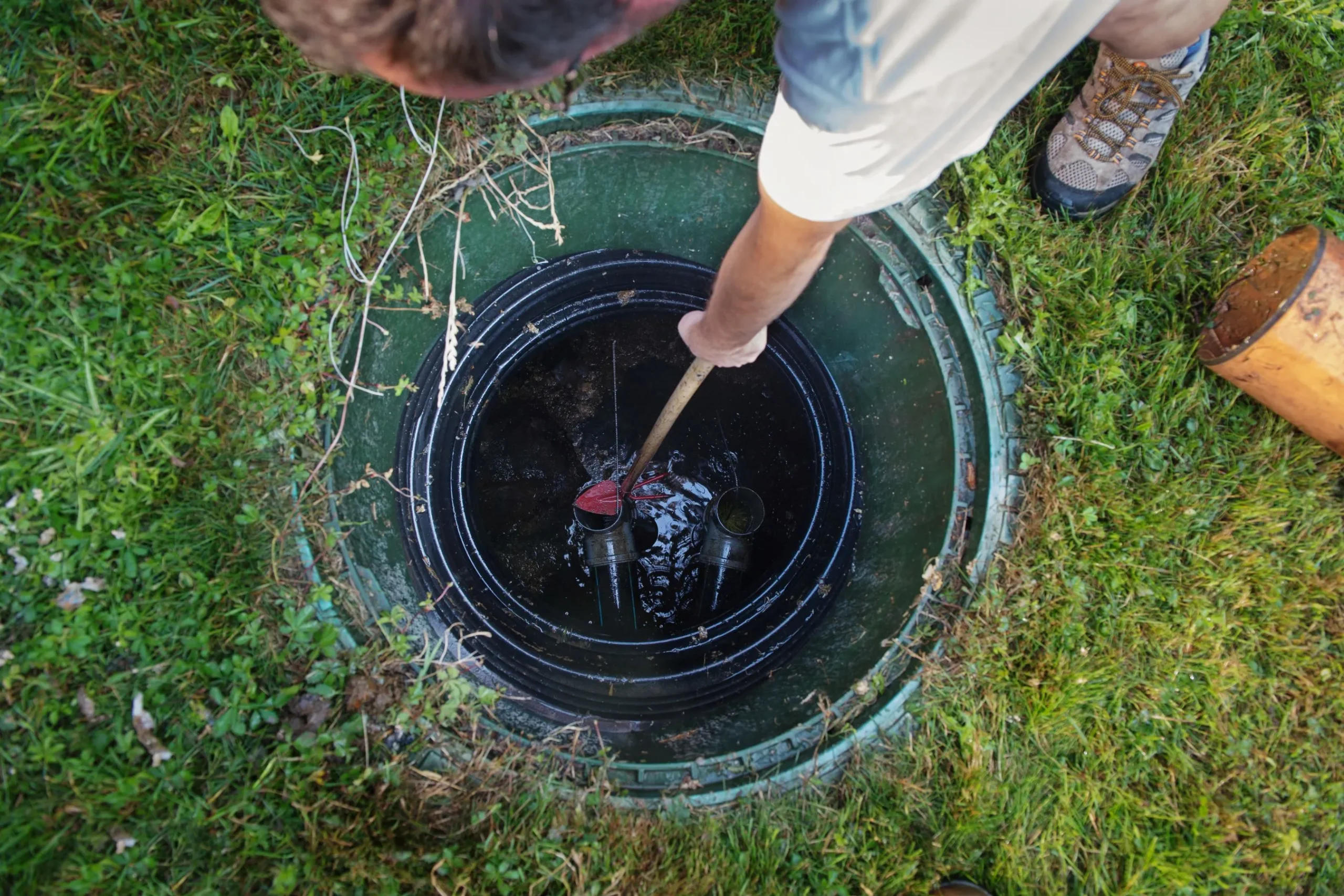
Homeowners and property managers often face unexpected plumbing issues. Knowing what’s happening inside those pipes saves time and money. Professional pipe inspections offer insights into the unseen world beneath your floors and walls. They help maintain property value by catching problems early. Let’s dive into how these inspections work, their benefits, and what you should expect.
Sommaire
ToggleUnderstanding the need for pipe inspection
Pipe inspection ensures your plumbing system functions optimally, preventing costly repairs. It identifies blockages, corrosion, or leaks early, safeguarding your property’s value. Routine inspections also enhance water quality and efficiency. Understanding potential issues like root intrusion helps in proactive maintenance. For homeowners and property managers, regular inspections form a critical part of preserving and enhancing property longevity.
Common reasons for pipe inspection
Regular pipe inspection ensures the longevity and efficiency of your plumbing system. Homeowners and building managers often initiate inspections due to specific concerns or routine maintenance needs. Here are some common reasons:
- Frequent clogs
- Unusual odors
- Water discoloration
- Increased water bills
- Low water pressure
- Property renovations
Benefits of regular pipe inspections
Regular pipe inspections offer several advantages for homeowners and property managers. They ensure the plumbing system remains efficient and trouble-free.
- Detect issues early to avoid costly repairs
- Extend the lifespan of your plumbing system
- Improve water quality and flow
- Enhance property value
Routine checks play a crucial role in avoiding plumbing issues. By catching potential problems early, you maintain a safe and functional environment.
The pipe inspection process
The pipe inspection process involves several critical stages to ensure thorough evaluation. It begins with an initial assessment of the property and the pipes’ condition. This step establishes the scope and requirements for the inspection. Then, professionals use specialized tools and technology, like cameras and sensors, to examine the pipes. Here’s a typical sequence:
- Conduct initial assessment.
- Plan the inspection strategy.
- Use advanced tools for examination.
- Analyze findings and data.
- Provide a detailed inspection report.
These steps help identify issues, ensuring effective maintenance and repair.
Initial assessment and planning
The initial assessment sets the foundation for a successful pipe inspection. It ensures the process addresses specific property needs and avoids future complications.
- Evaluate pipe layout and material
- Identify potential problem areas
- Develop a detailed inspection plan
Tools and technology used in inspections
Professionals use advanced tools and technology to ensure thorough pipe inspections. Video cameras, often paired with LED lights, provide a clear view inside pipes. These cameras help detect blockages or corrosion. Sonar devices measure pipe thickness, identifying wear and potential leaks. Infrared thermography reveals temperature variations, highlighting water flow issues. Robotics enhance accessibility in complex systems, allowing for precise inspections. This technology not only ensures accuracy but also minimizes disruption to your property. Understanding these tools helps in selecting a reliable service, ensuring your pipe system remains efficient and safe.
Duration and logistics of the inspection
The duration of a professional pipe inspection varies, typically ranging from a few hours to a full day, depending on the property’s size and complexity. Inspectors coordinate with property owners to minimize disruptions, ensuring access to necessary areas. They use advanced tools like cameras and sonar to conduct thorough inspections. Preparation includes clearing access points and informing tenants about possible noise. Efficient planning allows for a smooth process, delivering timely results that help maintain your property’s value and safety.
Interpreting inspection results
Understanding the results of a pipe inspection involves recognizing common issues like corrosion, blockages, or leaks. Inspectors provide a detailed report, often including images. This report outlines the condition of your pipes, highlighting areas needing attention. Pay close attention to terms like “structural integrity” and “flow capacity. ” Addressing these findings helps maintain your property’s value. Consulting with a professional ensures accurate interpretation and effective solutions.
Identifying common pipe issues
Professional pipe inspections reveal issues like leaks, corrosion, and blockages. They also help in uncovering concealed plumbing problems. Understanding these issues ensures timely repairs, preventing costly damage. The inspection report offers detailed insights into the pipe’s condition, aiding in effective maintenance planning.
Understanding the inspection report
An inspection report outlines pipe conditions, detailing issues like corrosion or blockages. It includes images and measurements for clarity. Understanding this report helps in planning repairs or replacements, ensuring the longevity and efficiency of your plumbing system.
Choosing a reliable pipe inspection service
Selecting a trustworthy pipe inspection service involves evaluating experience, certifications, and customer reviews. Confirm they use advanced technology like CCTV for accurate diagnostics. Ensure they provide a detailed inspection report. Ask about their response time for addressing urgent issues.
Key factors in selecting a provider
Selecting a reliable provider involves checking their certifications and experience in pipe inspection. Verify customer reviews and ask for references to ensure trustworthiness. Confirm they use up-to-date technology and offer detailed reports. Pricing should be transparent, without hidden fees.
Questions to ask potential inspectors
Engaging with potential pipe inspectors requires asking the right questions to ensure reliability. Consider these key queries:
- Experience: How many years have you conducted pipe inspections?
- Technology: What tools and methods do you use for inspections?
- References: Can you provide references from past clients?
Post-inspection steps
After a professional pipe inspection, addressing identified issues becomes crucial. Prioritize repairs based on severity. Consider the following steps:
- Consult a specialist to discuss the inspection report.
- Schedule necessary repairs to prevent further damage.
- Implement preventative measures to enhance pipe longevity.
- Plan future inspections for regular maintenance.
These actions help maintain your property’s value and ensure efficient plumbing systems. Regular checks and timely interventions safeguard against costly damages.
Addressing identified issues
Once issues surface during a pipe inspection, addressing them promptly ensures your property’s value remains intact. Common solutions include:
- Pipe cleaning to remove debris and blockages.
- Repairs for minor leaks or cracks using sealants.
- Replacing severely damaged sections with new pipes.
- Implementing corrosion control measures.
For professional help, consider pipe maintenance experts in Chicago who offer comprehensive solutions tailored to your needs. Regular maintenance with these experts prevents future issues, keeping your system efficient and reliable.
Scheduling future inspections
Scheduling regular pipe inspections ensures optimal function and avoids costly repairs. Follow this simple schedule:
- Annually for older homes
- Every 2-3 years for newer properties
- After significant renovations
For homeowners in urban areas, consider planned plumbing evaluations in major cities to maintain infrastructure integrity.
Frequently Asked Questions
What types of pipes can a professional inspection cover?
Professional inspections typically cover sewer lines, water supply pipes, and drainage systems. These inspections help identify leaks, blockages, or corrosion issues.
How often should pipe inspections be scheduled?
Schedule inspections every 1-2 years. Regular checks help maintain pipe integrity and prevent costly repairs. Frequency depends on pipe material and age.
What should I do if the inspection report shows serious issues?
Consult a licensed plumber immediately. Addressing issues promptly prevents further damage. Consider repair or replacement based on the plumber’s advice.