
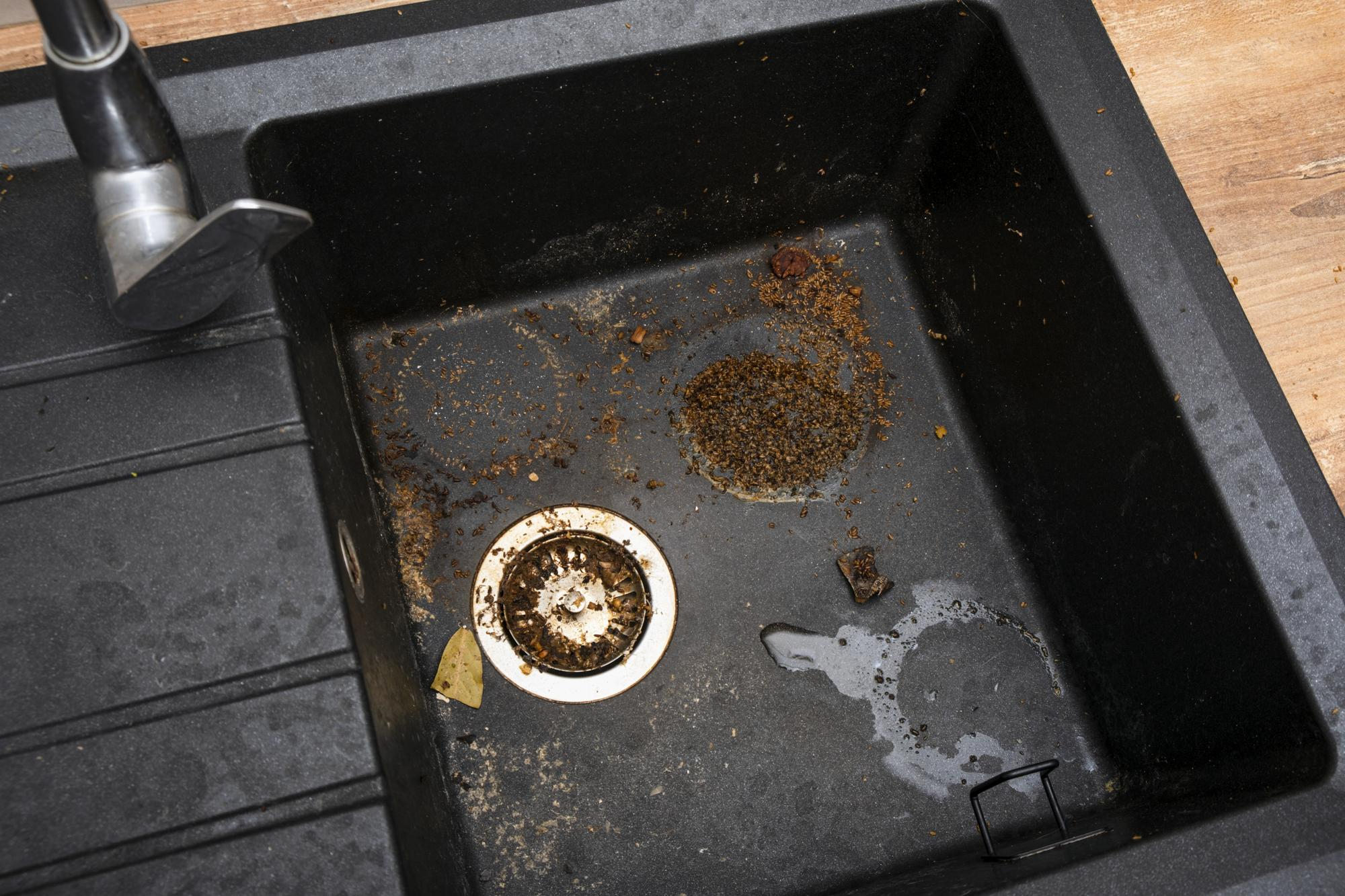
The kitchen is one of the most likely places for debris to accumulate in the pipes. In Chicago, between extreme weather conditions and older infrastructure, your pipes are under regular pressure. If you let grease and food debris build up, you risk blockages, bad odors and even leaks. But rest assured, there are proven solutions to keep your pipes in top condition, without breaking your budget. Here’s how to maintain your pipes efficiently and avoid costly repairs.
Sommaire
ToggleWhy regular kitchen pipe cleaning is essential in Chicago
Regular kitchen pipe cleaning is vital for maintaining your plumbing, especially in Chicago’s extreme climate and older buildings. These conditions can lead to debris buildup, causing blockages and recurring issues. Regular cleaning prevents costly problems like leaks, foul odors, and frequent clogs caused by grease and food debris.
The specific challenges of kitchen pipes in Chicago (Climate, Old Buildings)
The cold winters and hot summers in Chicago create an environment that accelerates pipe deterioration. The extreme temperatures can cause metal pipes to corrode and freeze, while old homes with outdated plumbing systems are more prone to cracks and leaks. Regular cleaning helps preserve the integrity of your pipes and prevents costly repairs.
Consequences of neglecting kitchen pipes (Leaks, Foul Odors, Blockages)
Neglecting to clean your kitchen pipes can lead to serious issues that affect both the functionality of your plumbing and the overall condition of your home. Here are the consequences of ignoring regular pipe maintenance:
- Water leaks: Blockages or corrosion can lead to leaks, causing significant water damage to your property.
- Foul odors: Decaying food and organic matter in the pipes can create unpleasant smells in your kitchen.
- Severe blockages: Neglected pipes can become completely clogged, slowing down water flow or completely stopping drainage.
- Mold growth: Standing water from leaks or blockages provides a breeding ground for mold, which can damage surfaces and impact indoor air quality.
- Increased repair costs: Delaying maintenance often results in costly repairs or even the need for full pipe replacements.
Main causes of clogs in kitchen pipes in Chicago
Kitchen pipes in Chicago face specific challenges, particularly with local eating and cooking habits. Grease, food particles, and solid debris often find their way into the pipes, contributing to blockages. Understanding these common causes is key to preventing long-term issues.
Accumulation of grease and food residues
Grease, oils, and decomposing food easily stick to the walls of pipes over time. These accumulations form a coating that attracts other debris, leading to progressive blockages. As these clogs build up, water flow becomes slower, eventually causing a complete blockage.
Blockages due to dish remnants and solid debris
Food particles left behind after washing dishes are another major factor in pipe blockages. Even small amounts of solid debris, when combined with grease, can quickly obstruct the pipes. This situation is common in Chicago kitchens where food residues are sometimes dumped directly into the sink.
Impact of local climate conditions on pipe wear
Chicago’s extreme climate can cause pipes to crack or freeze, particularly in older homes. The frequent freezing and thawing of pipes can create weak spots, making them more susceptible to corrosion. Regular cleaning helps prevent buildup and keeps your plumbing system intact despite the harsh weather conditions.
Proven methods for effectively cleaning kitchen pipes
There are several proven methods for cleaning your kitchen pipes. Whether you choose natural solutions, commercial products, or specialized tools, each method offers its own benefits. Selecting the right approach depends on the condition of your pipes.
Using hot water to dissolve grease
One of the simplest and most effective methods is to pour hot water down your pipes. Hot water helps to dissolve grease that may have accumulated over time, making it easier for the debris to wash away. It’s recommended to do this once a week to prevent blockages from forming.
Vinegar and baking soda: an affordable, DIY solution
Another natural solution is to mix white vinegar and baking soda. This combination creates a chemical reaction that breaks down grease and other organic deposits in the pipes. Pour this mixture into the sink, let it sit for about 30 minutes, and then flush with hot water. This preventive cleaning method is effective and inexpensive.
Enzyme products: eco-friendly and effective against blockages
Enzyme products are an eco-friendly option for maintaining your pipes. These products use natural bacteria and enzymes to break down grease and other organic materials. They’re especially effective for preventing future blockages while being safe for both your pipes and the environment.
Mechanical cleaning with a snake or high-pressure cleaner
For deep, stubborn blockages, a snake or high-pressure cleaner may be necessary. These tools help dislodge significant clogs and restore optimal water flow. It’s advisable to use these tools every six months to thoroughly clean your pipes.
Practical tips for preventing recurring blockages in kitchen pipes
To avoid recurring clogs and extend the lifespan of your pipes, here are some practical tips to follow regularly in your kitchen.
Install filters in sinks and showers
Sink filters are essential to prevent solid debris, like hair and food scraps, from entering your pipes. These filters are easy to install and inexpensive, but they play an important role in preventing blockages.
Never pour grease or oils into the pipes
One of the leading causes of clogs in kitchen pipes is the disposal of grease and oils down the sink. These substances solidify in the pipes, creating blockages. Instead, use a container to collect grease and dispose of it in the trash.
Perform regular preventive cleaning
It’s important to perform regular cleaning of your pipes. Pour hot water, vinegar, or use enzyme products once a month to keep your pipes clean and prevent blockages. This preventive cleaning is an effective method to ensure your pipes function properly.
When to call a professional in chicago to clean kitchen pipes
Sometimes, despite all your efforts to maintain your pipes, serious blockages may occur.If you notice persistent clogs, foul odors, or very slow drainage, it’s time to call a plumber. These signs may indicate a deeper problem, such as a clog in the main pipes or damaged piping. Hiring a professional for deep cleaning may be necessary to prevent costly repairs down the road. A plumber can also identify signs of corrosion or wear in your pipes, helping you avoid more severe and expensive interventions.