
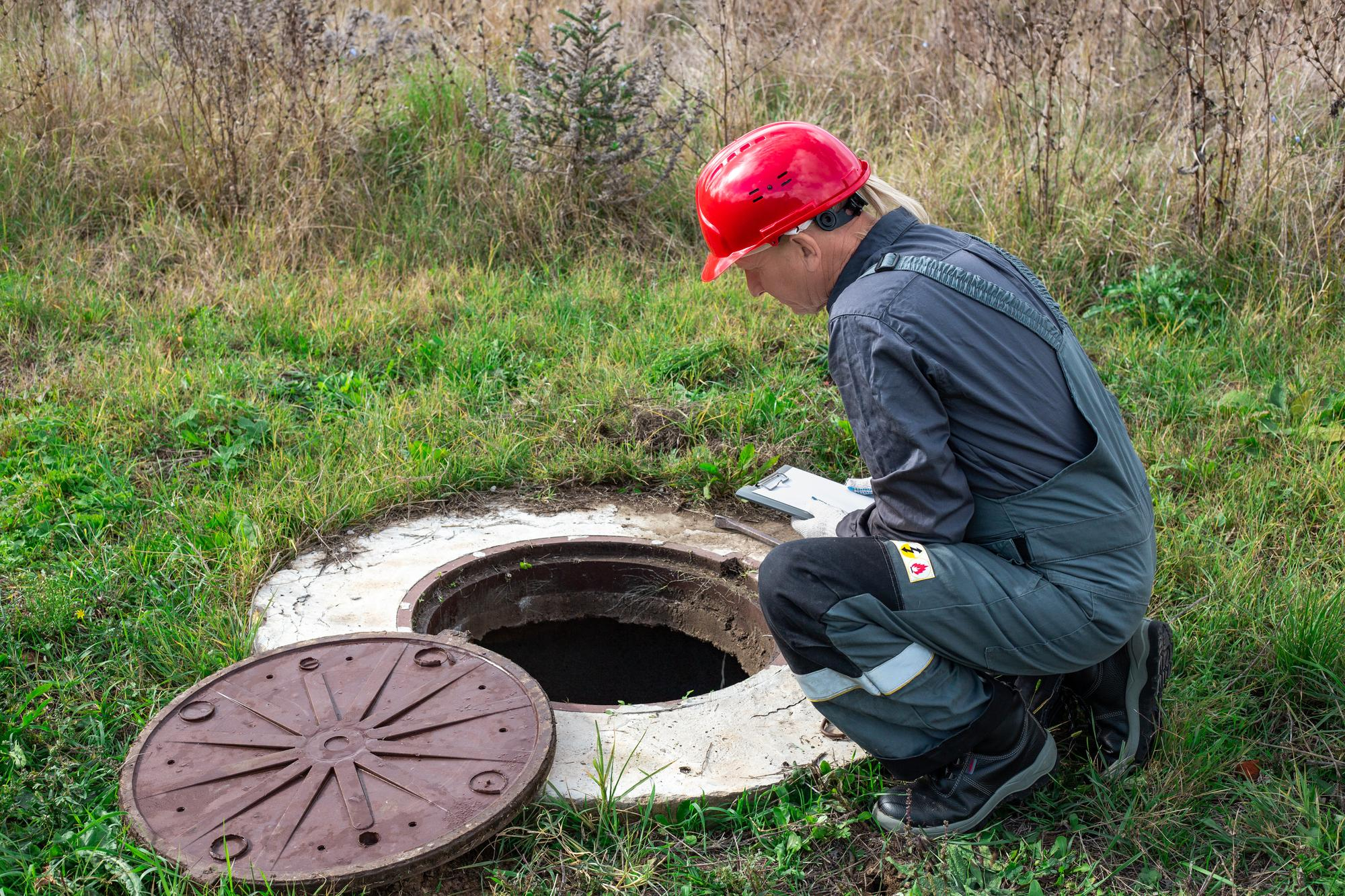
Clogged drains are one of the most common issues that apartment dwellers face in Chicago. Whether it’s a slow-draining sink or a completely blocked shower, these plumbing problems can be frustrating and expensive to fix. But did you know that with the right habits and proactive steps, you can significantly reduce the risk of clogged drains in your home? Let’s break down the key factors contributing to clogs and, most importantly, how to prevent them.
Sommaire
ToggleThe hidden culprits behind clogged drains
Before jumping into solutions, it’s important to understand why drains get clogged in the first place. In Chicago apartments, certain factors play a significant role in creating blockages. Here’s a quick look at the most common culprits:
Grease and oil: the silent blockers
When you pour cooking oil or grease down the drain, it solidifies over time, forming stubborn clogs that restrict water flow. This build-up occurs particularly in kitchens, where oils are commonly discarded into the sink.
Food scraps: the sneaky saboteurs
Even small amounts of food scraps like pasta, rice, or vegetable peels can lead to clogs. These items swell when they come in contact with water, making it easy for them to get stuck in your pipes.
Hair and soap residue: the bathroom bane
Hair, combined with soap residue, is a significant cause of blockages in bathrooms. Over time, it collects in pipes, forming a thick mat that slows down drainage or completely blocks the flow.
Non-biodegradable waste: the disposables you should never flush
It’s easy to think that wipes, cotton balls, and sanitary products can be flushed down the toilet, but these materials don’t break down in water. They are notorious for creating severe blockages over time, especially when combined with other debris.
Simple habits to keep your drains flowing
Now that we know what causes blockages, let’s focus on the simple, everyday habits you can adopt to prevent clogs from forming in your Chicago apartment’s plumbing system. Here are some key strategies to implement:
Dispose of grease properly: don’t pour it down the drain
After cooking, never pour grease or oil down your sink. Let the grease cool and solidify, then scrape it into a container and dispose of it in the trash. If you’re looking for a more sustainable option, you can recycle used cooking oils at certain facilities.
Use drain screens: small investment, big impact
Installing drain screens or mesh filters in your kitchen and bathroom sinks is a small investment that can make a huge difference. These screens catch food particles, hair, and other debris before they enter the pipes, preventing most clogs from forming.
Be mindful of what goes down the toilet
The only thing that should ever go down the toilet is toilet paper. Avoid flushing anything else, including wipes, sanitary pads, and cotton swabs. These items don’t break down properly and can cause severe clogs in the plumbing system.
Clean your drains regularly: natural methods that work
Maintaining clean drains is key to avoiding clogs. Use natural cleaning methods like baking soda and vinegar to clear out any early signs of grease or food build-up:
- Pour half a cup of baking soda into the drain.
- Add half a cup of white vinegar and let it sit for 30 minutes.
- Flush the mixture with hot water to clear out the pipes.
This simple method is effective at breaking down grease, soap, and food remnants in your pipes.
When to call a plumber
While regular maintenance and the right habits can go a long way, there are still times when you need to call in a professional. If you notice any of the following issues, it’s best to schedule an inspection with a plumber:
Slow draining water
If you notice that water is draining slowly in your sinks, toilets, or showers, it’s a sign that something is starting to block the pipes. Early action can prevent a full clog and save you from future plumbing headaches.
Persistent unpleasant odors
Bad odors coming from your drains are often a sign of waste or grease buildup inside the pipes. If regular cleaning methods don’t resolve the issue, it may indicate a deeper blockage that requires professional attention.
Higher water bills
If you see an unexplained increase in water usage and your water bills are higher than usual, it could be a sign of a leak or a clog. A professional plumber can inspect your plumbing and identify any issues contributing to the increased consumption.Preventing clogged drains in your Chicago apartment is all about adopting the right habits and being proactive. By disposing of waste properly, using drain screens, and maintaining regular cleaning, you can protect your plumbing system from costly repairs. Regular inspections by a professional plumber also ensure that any potential issues are addressed early. A little effort now will save you from a lot of trouble in the future.