
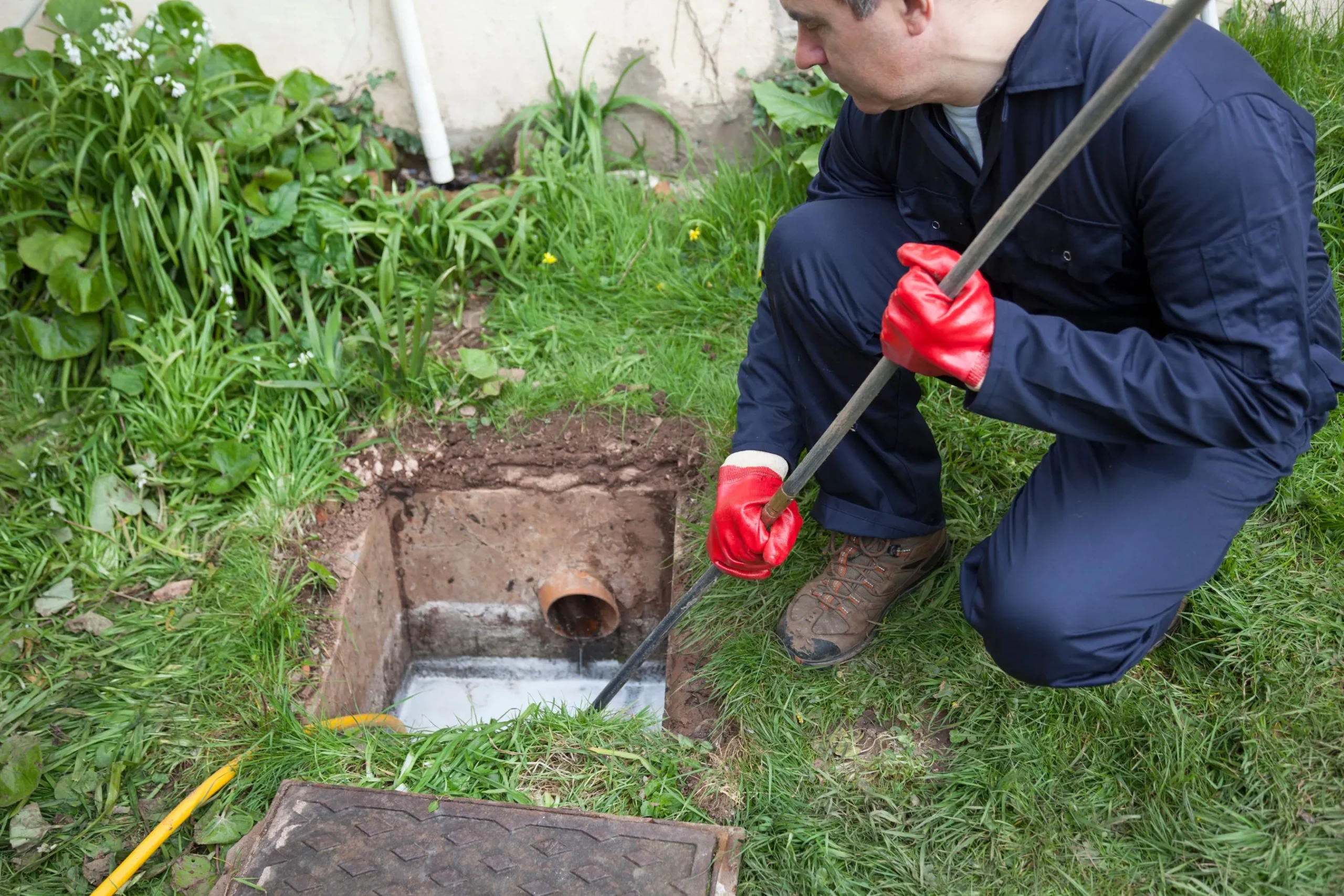
Chicago’s unpredictable weather can wreak havoc on your home’s plumbing system. With seasonal shifts, it’s crucial to stay ahead of potential issues. Our comprehensive checklist offers expert tips to keep your plumbing in top shape year-round. Whether tackling frozen pipes or ensuring sump pump efficiency, these insights help you avoid costly repairs and maintain a smoothly running home.
Sommaire
ToggleUnderstanding the impact of Chicago’s climate on plumbing
Chicago’s climate, with its frigid winters and humid summers, significantly affects plumbing systems. Cold weather leads to frozen pipes, causing potential bursts. Summer’s humidity creates condensation, leading to rust and corrosion in pipes. Understanding these impacts helps homeowners take preventative measures and avoid costly repairs.
How seasonal changes affect plumbing systems
Chicago’s climate causes significant stress on plumbing systems. Cold winters freeze pipes, while hot summers expand them. Address these issues by focusing on seasonal maintenance:
- Insulate pipes to prevent winter freezing.
- Check for leaks during spring thaws.
- Inspect outdoor fixtures before summer use.
Regular plumbing system care ensures efficiency and prevents costly repairs, keeping your home safe year-round.
Common plumbing issues in Chicago homes
Chicago homes often face unique plumbing challenges due to fluctuating temperatures. Common issues include frozen pipes, which can burst if not properly insulated, and sump pump failures during heavy rains. Additionally, mineral build-up in pipes can restrict water flow, affecting fixtures and appliances. Homeowners should regularly inspect for leaks and corrosion. For effective maintenance, consider local drain cleaning services to address clogs caused by debris and mineral deposits. Proper upkeep prevents costly repairs and ensures efficient plumbing systems throughout the year.
Spring plumbing maintenance tasks
Spring in Chicago means it’s time to ensure your home’s plumbing is ready for the warmer months. Focus on these essential tasks to avoid costly repairs later.
- Inspect gutters and downspouts for blockages
- Check pipes for leaks and signs of corrosion
- Test outdoor faucets and hoses
- Clean sump pumps and check for optimal performance
- Inspect and flush the water heater
- Ensure all plumbing fixtures operate efficiently
Inspecting and cleaning gutters and downspouts
- Remove debris from gutters to prevent blockages.
- Ensure downspouts direct water away from the foundation.
- Check for sagging gutters and secure them.
- Inspect for leaks at joints and seams.
- Use a hose to flush gutters for effective drainage.
Regular gutter maintenance protects your home from water damage. It also ensures efficient drainage systems for your property.
Checking for pipe leaks and corrosion
Spring is the perfect time to check for pipe leaks and corrosion in your Chicago home. Addressing these issues early prevents costly repairs and water damage.
- Visually inspect exposed pipes for any signs of moisture.
- Check for rust or greenish deposits indicating corrosion.
- Listen for unusual sounds in the plumbing system.
- Monitor your water meter for unexplained usage increases.
- Feel around pipes for dampness or leaks.
- Contact a professional if you notice persistent issues.
Detecting leaks and corrosion ensures a well-maintained plumbing system. Regular inspections help keep your home safe. Proper maintenance, including Chicago pipe maintenance benefits, enhances your home’s longevity and efficiency.
Summer plumbing maintenance tasks
Focus on outdoor plumbing fixtures. Check hoses and faucets for leaks. Ensure proper water flow. Clean and unclog sprinkler heads. Inspect sump pumps. Test for optimal performance. Keep basement dry. Protect against heavy summer storms. Regular maintenance avoids costly repairs and ensures efficiency.
Testing and maintaining outdoor plumbing fixtures
Regular testing and maintenance of outdoor plumbing fixtures ensure their longevity and efficiency. Focus on these critical tasks:
- Check faucets for leaks and repair promptly.
- Inspect hose bibs for cracks or damage.
- Ensure sprinkler systems function correctly.
- Examine outdoor pipes for rust or corrosion.
- Clean debris from drains to prevent blockages.
- Test water pressure for optimal performance.
These steps help avoid costly plumbing repairs in Chicago homes.
Inspecting sump pumps for optimal performance
Check sump pumps for efficiency each summer. Ensure they handle Chicago’s rain by following these steps:
- Test the pump by pouring water into the pit.
- Verify the power source functions properly.
- Inspect the discharge line for clogs.
- Ensure the float switch moves freely.
Fall plumbing maintenance tasks
Prepare pipes for winter by insulating exposed sections to prevent freezing. Check water heaters for efficiency, ensuring optimal performance. Inspect outdoor faucets for leaks, replacing washers if needed. Clean sump pump pits to avoid blockages. These tasks protect your home from costly repairs and ensure system efficiency through Chicago’s harsh winter.
Preparing pipes for the upcoming winter
Protect pipes from the harsh Chicago winter. Follow these steps:
- Insulate exposed pipes to prevent freezing.
- Seal any cracks in walls near pipes.
- Disconnect outdoor hoses and drain spigots.
- Install pipe sleeves for extra protection.
- Check for leaks and repair immediately.
Inspecting water heaters for efficiency
Regularly inspect your water heater for optimal efficiency. Start by checking the temperature setting; it should not exceed 120F to prevent overheating and reduce energy costs. Examine the tank for any signs of rust or leaks, which could indicate the need for repairs. Flush the tank annually to remove sediment buildup that impairs performance. Ensure the pressure relief valve functions correctly to avoid potential hazards. This simple maintenance keeps your system running smoothly and extends its lifespan.
Winter plumbing maintenance tasks
Chicago winters challenge plumbing systems. Prevent costly damage with these tasks:
- Insulate exposed pipes to avoid freezing.
- Seal foundation cracks to reduce cold air infiltration.
- Check water heater settings for efficiency.
- Maintain indoor humidity at 30-50% to prevent pipe stress.
These steps protect your home, ensuring your chicago plumbing maintenance remains effective throughout harsh winter months.
Preventing frozen pipes
Frozen pipes pose a serious risk to your plumbing system. To protect against this, insulate exposed pipes in unheated areas. Keep a trickle of water flowing through faucets during extreme cold. Seal cracks and openings to prevent drafts. Consider these steps:
- Install pipe insulation sleeves or heat tape.
- Open cabinet doors to allow warm air circulation.
- Maintain indoor temperature above 55F.
These precautions help maintain pipe integrity in Chicago’s harsh winter.
Managing indoor humidity levels
Maintain ideal indoor humidity levels by using a dehumidifier. This prevents mold and mildew, common in Chicago’s winter. Check windows and doors for drafts. Seal them to conserve heat and reduce moisture buildup. Proper humidity control ensures a healthier home environment and protects your plumbing system.
Answers to frequently asked questions
Why is it important to inspect gutters and downspouts in spring?
Inspecting gutters and downspouts ensures proper water drainage, preventing water damage and foundation issues as snow melts and spring rains arrive.
What common plumbing issues occur in Chicago homes during winter?
Frozen pipes and burst pipes are common due to Chicago’s extreme cold. Insulating pipes and maintaining indoor temperatures help prevent these issues.
How can homeowners prepare pipes for winter?
Homeowners should insulate exposed pipes, disconnect outdoor hoses, and seal gaps in walls to prevent freezing and costly repairs.
What role does indoor humidity play in plumbing maintenance during winter?
Managing indoor humidity prevents condensation on pipes, reducing the risk of corrosion and mold growth, which can damage plumbing systems.