
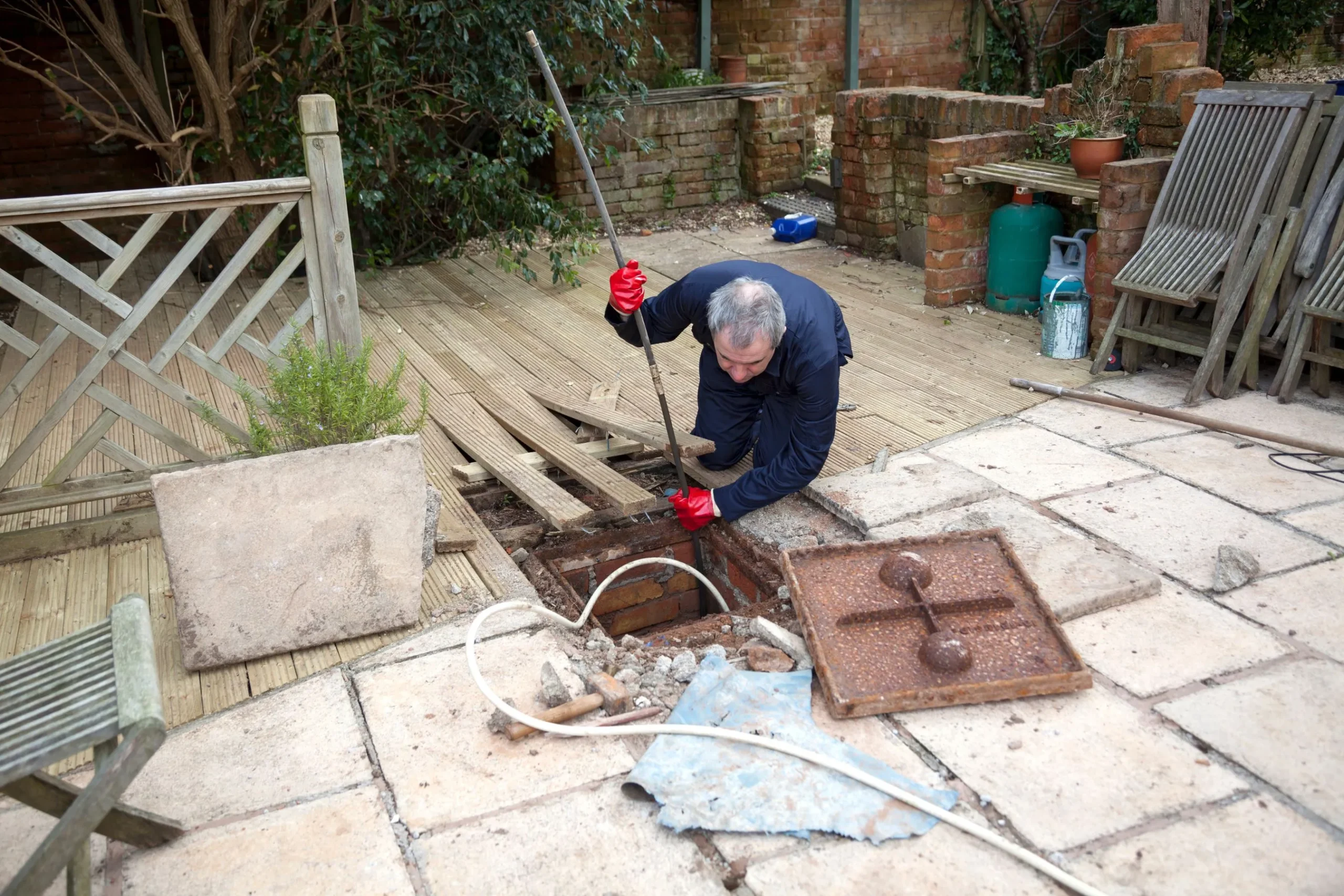
Tired of surprise plumbing costs? Regular pipe maintenance might be your solution. Taking simple steps now can save money and stress later. Imagine fewer leaks, no more rust, and consistent water pressure. Discover how a little effort today ensures your home’s pipes stay efficient. Dive in and learn how to keep your plumbing system in top shape!
Sommaire
ToggleUnderstanding the importance of pipe maintenance
Pipe maintenance ensures optimal water flow and prevents costly repairs. Regular checks help identify leaks and corrosion early. Addressing issues promptly avoids major damage. Proper upkeep increases the lifespan of pipes. It contributes to home value by maintaining system integrity. Consistent care reduces unexpected plumbing headaches.
Benefits of regular maintenance
- Prevents costly pipe repairs
- Enhances water flow efficiency
- Reduces risk of pipe bursts
- Increases plumbing lifespan
- Improves home safety
Regular pipe maintenance offers numerous advantages, ensuring reliable plumbing and peace of mind. These benefits contribute significantly to a home’s long-term value and functionality.
Common issues from neglect
- Leaking faucets cause water wastage.
- Clogged drains lead to backups.
- Rusty pipes reduce water quality.
- High water bills from hidden leaks.
- Mold growth from moisture buildup.
- Foundation damage due to seepage.
Neglecting pipe maintenance results in costly issues. Addressing problems early prevents damage and saves money. Regular checks ensure a longer lifespan for plumbing systems.
Identifying early warning signs of plumbing problems
Pipe maintenance prevents costly repairs by catching issues early. Homeowners should stay alert to warning signs that indicate plumbing problems. Recognizing these signs helps in maintaining a healthy plumbing system.
- Unexplained increase in water bills
- Visible mold or mildew on walls
- Unusual sounds in pipes
- Water stains on ceilings or floors
Ignoring these signs can lead to severe damage. By addressing issues promptly, homeowners protect their investment and ensure long-term efficiency of their plumbing systems.
Signs of leaks and corrosion
Discolored water and unusual stains on walls indicate potential leaks or corrosion. Listen for hissing sounds or notice an increase in your water bill. Rusty pipes often lead to more severe issues, demanding immediate attention to prevent costly repairs and maintain a healthy plumbing system.
Detecting low water pressure
Low water pressure often signals underlying issues in the plumbing system. Homeowners should check faucets and showerheads for sediment buildup. This simple step can restore normal flow. If the problem persists, inspect the main shut-off valve for partial closure. Corrosion or leaks in pipes might also cause pressure drops. Addressing these signs early prevents further damage. Pipe maintenance ensures efficient water flow. Consider calling a professional if solutions don’t resolve the issue. Regular checks safeguard against costly repairs.
Practical tips for preventive maintenance
Regular pipe maintenance prevents costly repairs and ensures a longer lifespan. Consider these practical tips:
- Inspect pipes for leaks monthly
- Use enzyme-based cleaners to prevent clogs
- Flush out sediment from water heaters annually
- Check for signs of corrosion regularly
- Insulate pipes in colder areas
- Test water pressure every six months
For homeowners in urban areas, preventive measures for local plumbing can significantly reduce risks. Regular inspections and timely interventions remain crucial.
Routine cleaning methods
Regular pipe cleaning prevents clogs and prolongs pipe life. Follow these methods:
- Flush pipes monthly with hot water to remove debris.
- Use a mixture of vinegar and baking soda weekly to break down buildup.
- Employ enzyme-based cleaners to tackle organic matter.
- Consider specialized pipe cleaning techniques for stubborn blockages.
Incorporating innovative cleaning techniques can enhance maintenance efforts, ensuring pipes remain in excellent condition for years.
Insulating pipes effectively
Insulating pipes effectively protects them from cold weather damage and reduces energy costs. Use foam pipe sleeves for quick insulation. Ensure tight fits to prevent heat loss. Wrap pipes in unheated areas like basements. Consider professional-grade materials for better results.
- Measure pipe diameter before purchase
- Select appropriate insulation thickness
- Seal joints with duct tape
- Check insulation annually for wear
Professional maintenance services
Engaging professional maintenance services ensures your plumbing remains efficient and durable. Experts use advanced cleaning methods to prevent clogs and leaks. They identify hidden issues, saving costly repairs. Scheduling regular inspections extends pipe life. Consider investing in routine cleaning procedures to maintain optimal flow and function.
When to call a plumber
Homeowners should call a plumber if they notice persistent leaks, unusual noises, or significant drops in water pressure. Professional intervention helps address underlying issues, preventing costly damage. Quick action ensures the plumbing system remains efficient, protecting home value and reducing future repair expenses.
Cost-benefit analysis of professional services
Investir dans des services professionnels de maintenance des tuyaux peut sembler coûteux, mais les avantages l’emportent souvent sur les dépenses initiales. Prolonger la durée de vie des tuyaux, prévenir les fuites importantes et éviter des réparations coûteuses sont quelques-uns des avantages. Considérez ces points clés:
- Prévention des dégâts d’eau coûteux
- Réduction des factures d’eau grâce à l’efficacité
- Amélioration de la longévité du système de plomberie
- Tranquillité d’esprit avec des inspections régulières
- Augmentation de la valeur de la maison
Extending the lifespan of your plumbing system
Regular pipe maintenance significantly boosts the longevity of your plumbing system. Addressing small issues early prevents costly repairs and extends lifespan. Routine checks for leaks, corrosion, and pressure changes help maintain efficiency. Insulating pipes during cold seasons protects against freezing, reducing wear. Engaging professional services for thorough inspections also ensures optimal function. These proactive measures not only enhance system durability but also increase your home value by ensuring a well-maintained infrastructure.
Long-term benefits of maintenance
Regular pipe maintenance ensures a more reliable plumbing system, reducing unexpected breakdowns and costly repairs. Homeowners benefit from lower water bills due to reduced leaks and improved water efficiency. This proactive approach also prevents corrosion, extending the life of pipes and safeguarding the home’s infrastructure. Additionally, consistent upkeep can enhance a home’s value, attracting potential buyers with a well-maintained system.
Improving home value through upkeep
Regular upkeep of plumbing systems boosts home value. Well-maintained pipes reduce future repair costs and enhance property appeal. Timely maintenance fosters trust in potential buyers, offering a competitive edge in the real estate market.
| Benefit | Impact |
|---|---|
| Reduced Repair Costs | Increases Savings |
| Enhanced Appeal | Attracts Buyers |
| Market Trust | Competitive Edge |
Homeowners emphasize plumbing care in Chicago to maintain property value. This strategy mitigates risks and ensures longevity.
Answers to frequently asked questions
What are the benefits of regular pipe maintenance?
Regular maintenance prevents costly repairs, reduces water waste, and improves the efficiency of the plumbing system. It helps identify issues early, avoiding major disruptions.
How can one detect early signs of leaks in pipes?
Look for unexplained increases in water bills, damp spots on walls or ceilings, and musty odors. These signs indicate potential leaks that need immediate attention.
When should a homeowner consider calling a professional plumber?
Contact a plumber if you notice persistent low water pressure, recurring clogs, or visible corrosion. Professionals provide thorough inspections and repairs, ensuring long-term pipe health.